Top 10 Widely Used Medical Diagnostic Test Equipments
Medical science has advanced rapidly in the last few decades, and much of this progress is due to innovations in medical diagnostic equipment. These devices help doctors detect diseases early, monitor conditions accurately, and plan effective treatments. From imaging machines to laboratory testing devices, diagnostic tools play a major role in improving patient outcomes and saving millions of lives every year.
In this blog, we explore the Top 10 Most Used Medical Diagnostic Test Equipments, their functions, benefits, and importance in the healthcare world.
Why Medical Diagnostic Equipment Is Important
Medical diagnostic equipment provides accurate and timely insights into a patient’s health. Here are a few reasons why they are essential:
Early Detection of Diseases
Most illnesses can be managed or even cured when detected early. Tools like ultrasound, MRI, and blood analyzers help catch abnormalities before they become severe.
Better Treatment Planning
Once the condition is diagnosed, doctors can choose the most effective treatment options based on reports generated by diagnostic equipment.
Continuous Monitoring
Devices such as ECG machines and glucometers help monitor a patient’s ongoing health condition.
Evidence-Based Medical Decisions
Diagnostic results guide physicians with factual data, eliminating guesswork.
Top 10 Most Used Medical Diagnostic Test Equipments
| Rank | Diagnostic Equipment | Primary Use | Common Setting |
|---|---|---|---|
| 1 | X-Ray Machine | Imaging bones, chest, and internal organs | Hospitals, Clinics |
| 2 | Ultrasound Machine | Monitoring pregnancy, soft tissue imaging | Hospitals, OB-GYN Clinics |
| 3 | ECG Machine | Checking heart rhythm and electrical activity | Emergency Rooms, Clinics |
| 4 | MRI Scanner | High-detail imaging of organs, tissues, brain | Hospitals, Diagnostic Labs |
| 5 | CT Scanner | Cross-sectional imaging for trauma & cancer | Hospitals, Diagnostic Labs |
| 6 | Blood Analyzer (Hematology Analyzer) | Testing blood components, CBC | Labs, Hospitals |
| 7 | Glucometer | Monitoring blood sugar levels | Homes, Clinics |
| 8 | Spirometer | Measuring lung function and breathing capacity | Pulmonology Clinics |
| 9 | Endoscope | Visualizing internal organs through a camera | Hospitals, Gastro Clinics |
| 10 | Pulse Oximeter | Checking oxygen saturation levels | Homes, Hospitals |
Top 10 Medical Diagnostic Test Equipments
1. X-Ray Machine
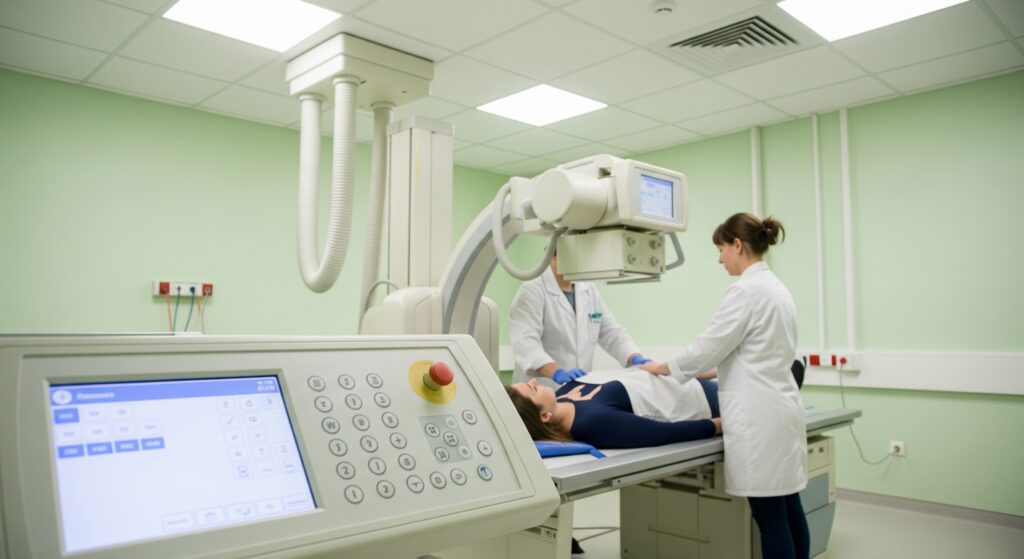
X-ray machines are one of the most basic yet essential diagnostic tools. They use electromagnetic radiation to capture images of bones and internal structures.
Common Uses:
-
Detecting fractures
-
Diagnosing pneumonia
-
Identifying skeletal abnormalities
X-rays are fast, affordable, and widely available, making them the most frequently used medical diagnostic equipment worldwide.
2. Ultrasound Machine
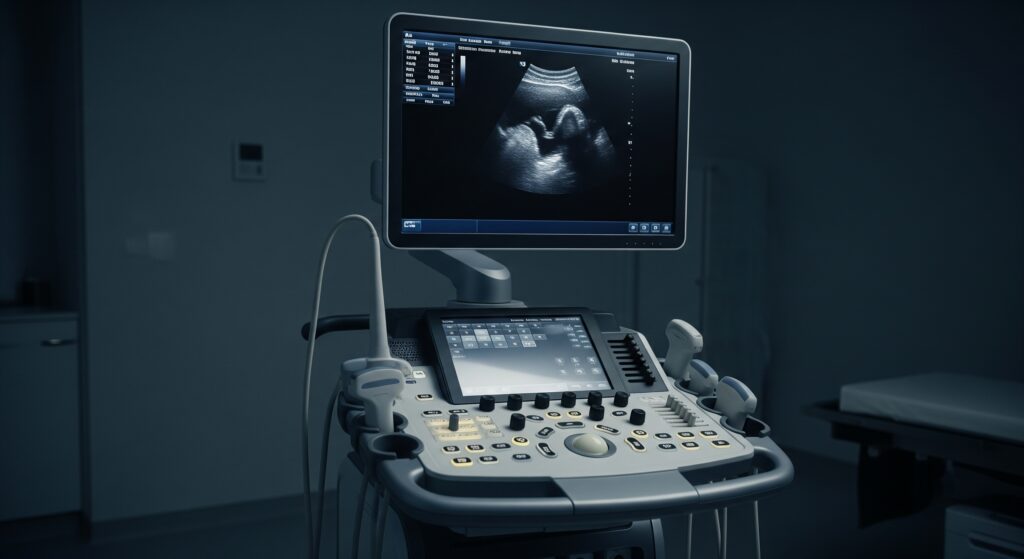
Ultrasound machines use high-frequency sound waves to produce live images of internal body structures.
Primary Applications:
-
Pregnancy monitoring
-
Detecting gallstones
-
Imaging muscles, soft tissues, and organs
Since ultrasound does not use radiation, it is considered safe for both mothers and babies during prenatal check-ups.
3. ECG (Electrocardiogram) Machine
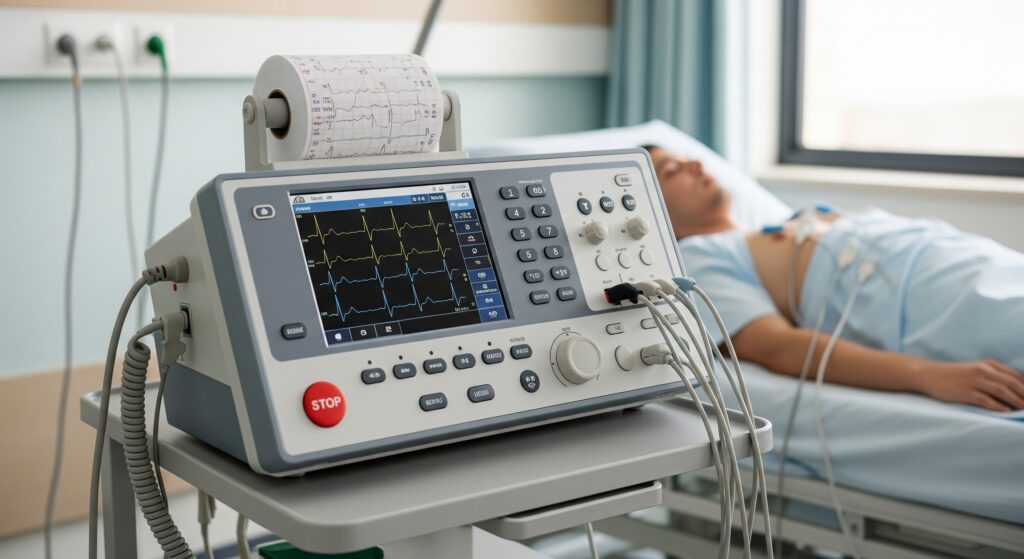
The ECG machine records the heart’s electrical activity to detect abnormalities.
Key Benefits:
-
Identifies arrhythmias
-
Detects heart attacks
-
Monitors cardiac health in real time
This equipment is a lifesaver in emergency rooms, ambulances, and cardiac units.
4. MRI Scanner
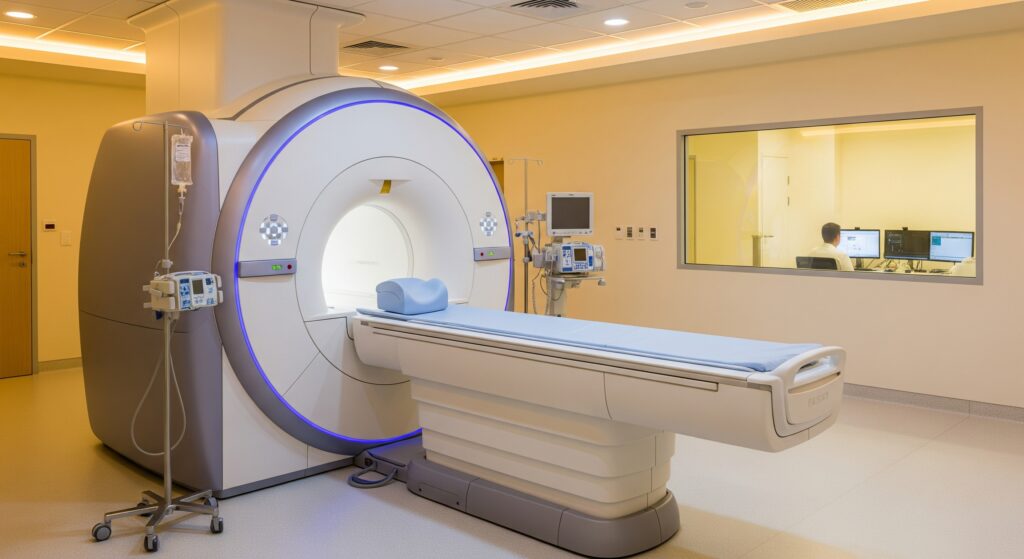
MRI (Magnetic Resonance Imaging) is a high-resolution imaging tool that uses strong magnetic fields instead of radiation.
MRI Helps Diagnose:
-
Brain tumors
-
Spinal cord injuries
-
Joint and tissue disorders
Though expensive, MRI provides extremely detailed images, making it crucial for accurate diagnosis.
5. CT Scanner

A CT (Computed Tomography) scanner takes multiple X-ray images to produce cross-sectional 3D images.
Common Uses:
-
Detecting internal bleeding
-
Diagnosing cancers
-
Evaluating trauma injuries
CT scans are faster than MRI and are ideal for emergency screening.
6. Blood Analyzer (Hematology Analyzer)
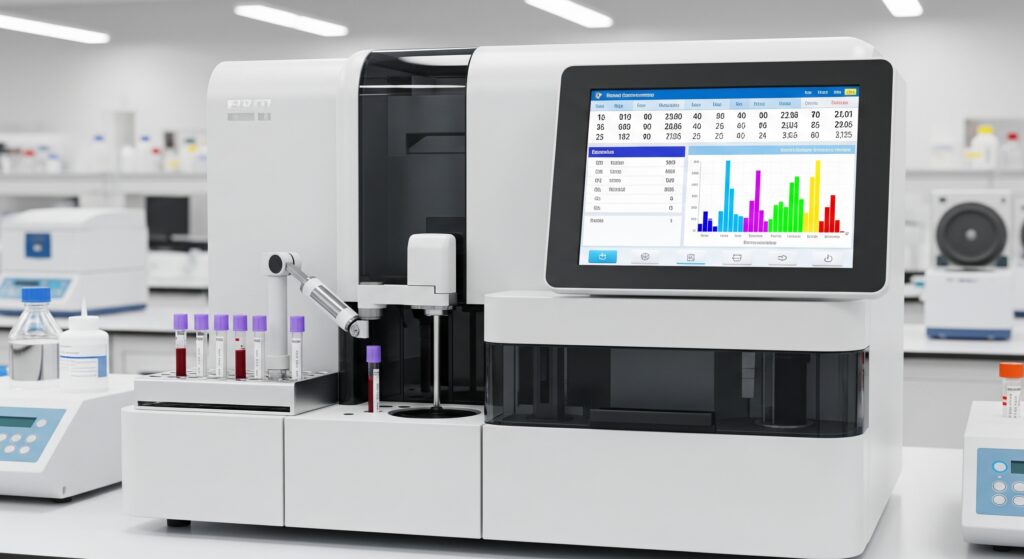
This diagnostic equipment is essential in laboratories for analyzing blood samples.
Tests Performed:
-
Complete Blood Count (CBC)
-
Platelet levels
-
Hemoglobin levels
Blood analyzers help identify infections, anemia, leukemia, and other major health conditions.
7. Glucometer
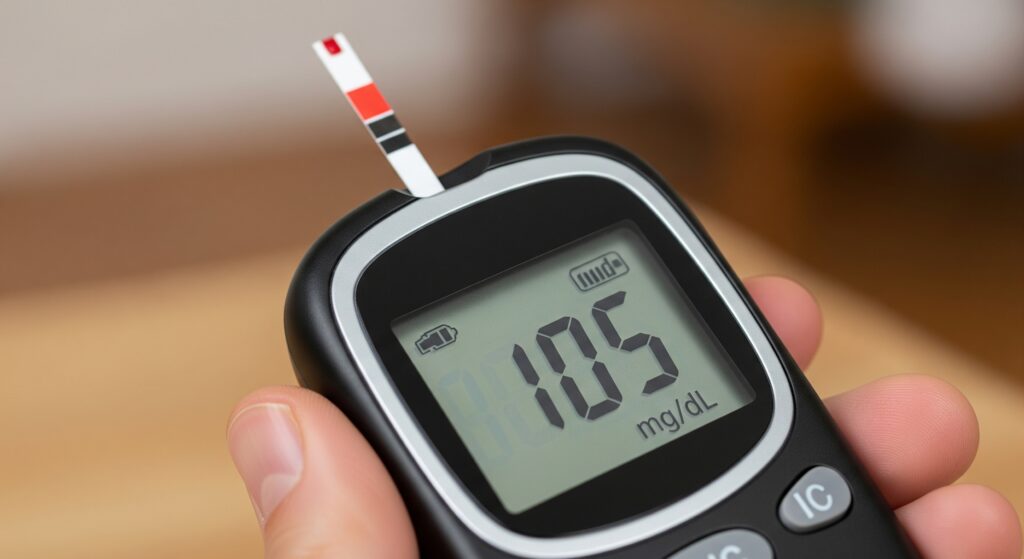
The glucometer is a small, portable device used to measure blood sugar levels.
Useful For:
-
Diabetic patients
-
Continuous glucose monitoring
-
Emergency sugar spikes and drops
It allows individuals to take control of their health from home.
8. Spirometer
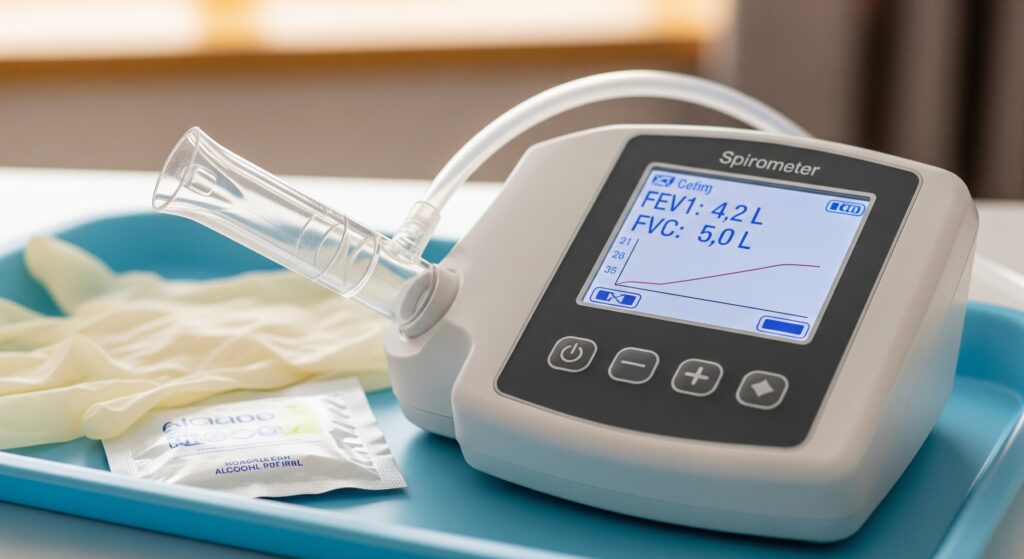
The spirometer measures lung capacity and breathing efficiency.
Helps Diagnose:
-
Asthma
-
COPD (Chronic Obstructive Pulmonary Disease)
-
Other respiratory diseases
Pulmonologists use this equipment regularly to monitor lung function.
9. Endoscope
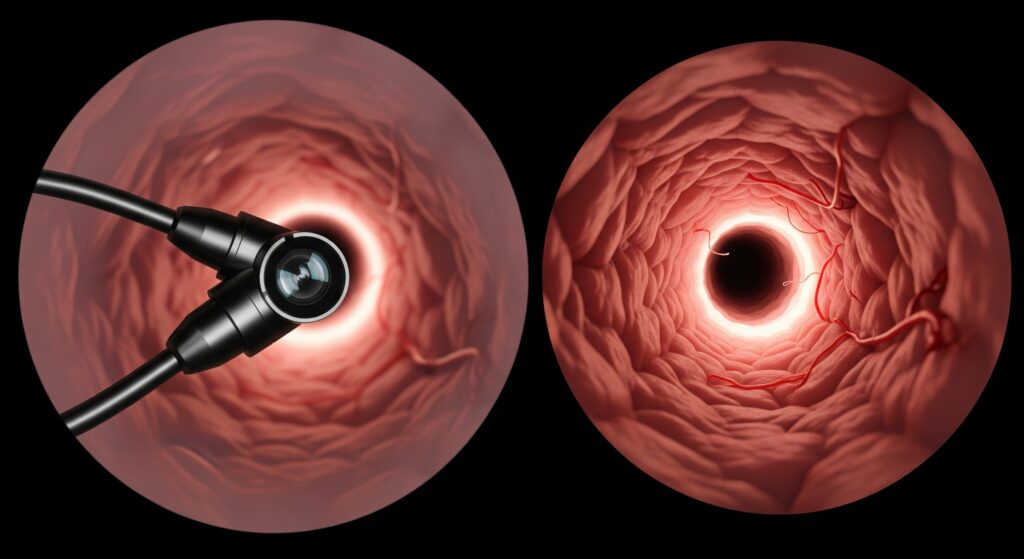
Endoscopy is a procedure where a thin, flexible tube with a camera is inserted into the body to view internal organs.
Most Common Types:
-
Gastroscopy
-
Colonoscopy
-
Bronchoscopy
Endoscopes help detect ulcers, tumors, digestive issues, and infections.
10. Pulse Oximeter
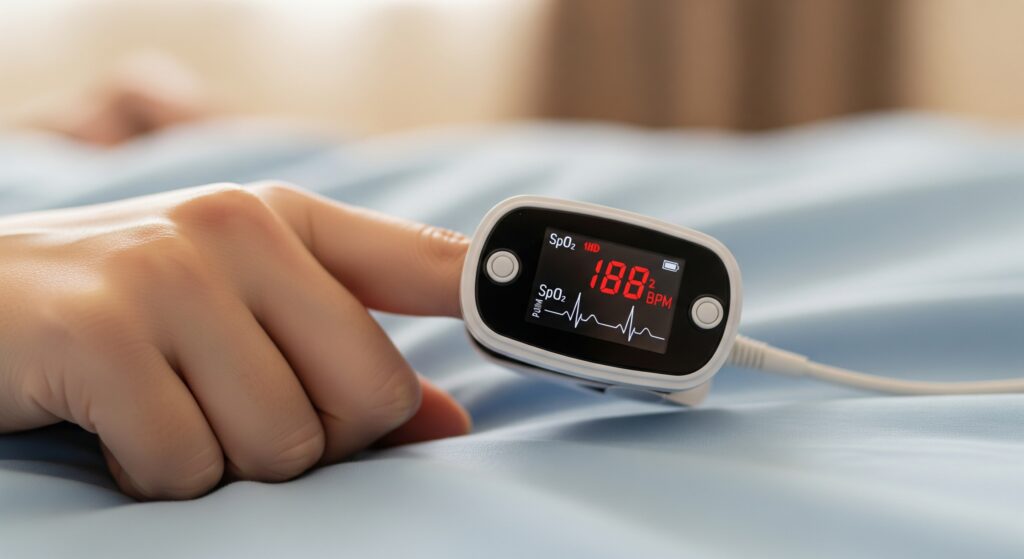
A pulse oximeter is a simple, non invasive device used to check a patient’s oxygen saturation level (SpO2).
Widely Used For:
-
Respiratory diseases
-
COVID-19 monitoring
-
Surgery and anesthesia monitoring
Its portability and accuracy make it one of the most used diagnostic tools globally.
How These Diagnostic Equipments Improve Patient Care
Faster Diagnosis
Machines like CT and MRI scanners offer rapid, clear insights.
Higher Accuracy
Advanced imaging tools remove guesswork.
Preventive Healthcare
Devices like glucometers and pulse oximeters help people manage health proactively.
Advanced Screening
Blood analyzers and endoscopes catch conditions early—often before symptoms appear.
Future of Medical Diagnostic Equipment
The future is promising with advancements like:
-
AI-powered diagnostic machines
-
Portable MRI devices
-
Wearable diagnostic gadgets
-
Real-time remote monitoring tools
Conclusion
Medical diagnostic equipment plays a vital role in modern healthcare by enabling early detection, accurate diagnosis, and effective treatment planning. From basic tools like X-ray machines and glucometers to advanced technologies such as MRI and CT scanners, each device helps healthcare professionals save lives and improve patient outcomes. As medical technology continues to evolve, diagnostic equipment will become even more efficient, portable, and intelligent ushering in a future of faster, more precise, and personalized healthcare.
 Previous Post
 Next Post